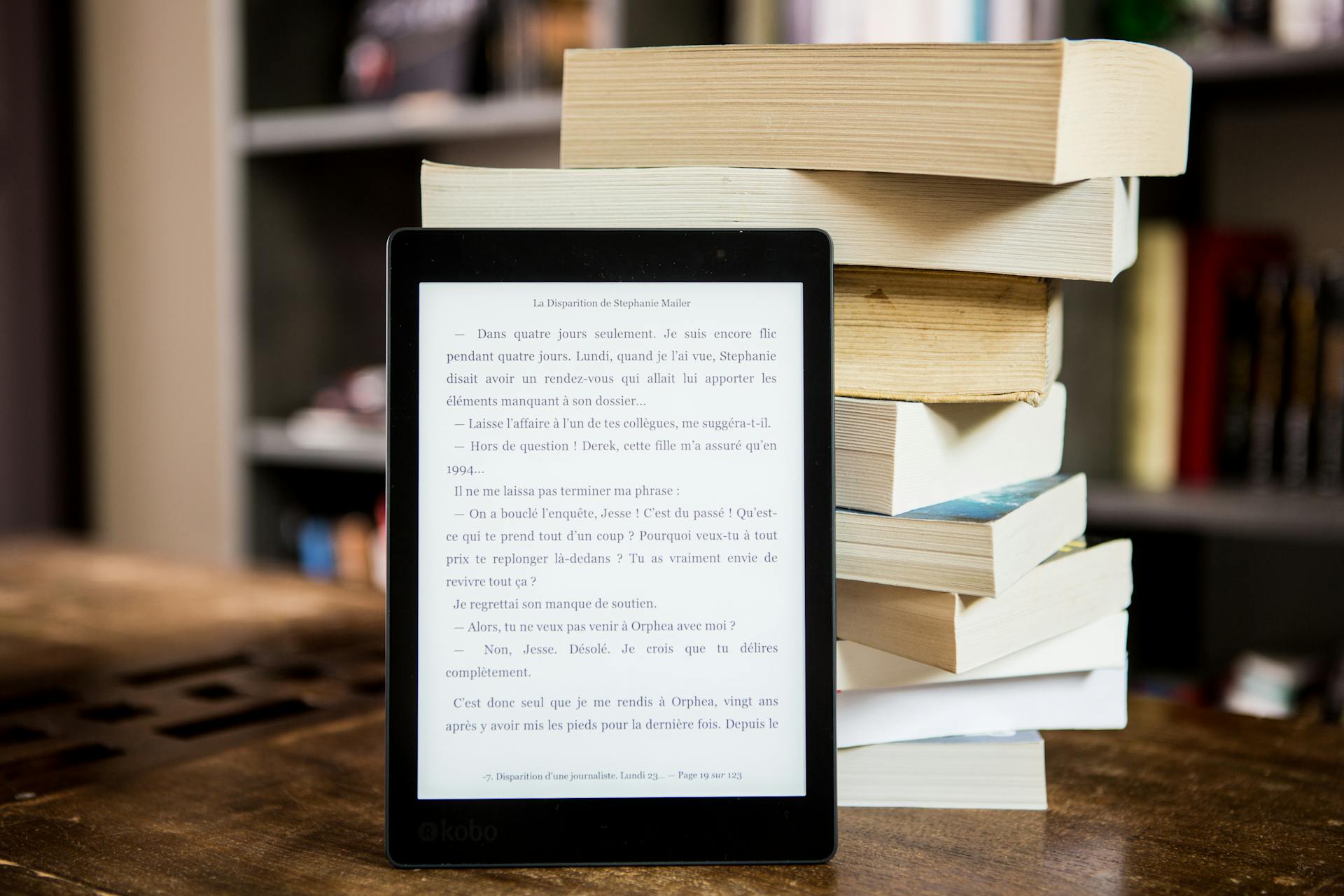
Recently, I came across a video by Andrés Bilbao, co-founder of Rappi, where he explained how he uses Artificial Intelligence to optimize his learning process and absorb knowledge from books more efficiently.
Andrés mentioned that while he typically reads two books from cover to cover each month, he uses this AI-driven method to gain insights into topics he is interested in but doesn't have the time to read in full.
After testing the method myself, I found it incredibly useful. This doesn't mean we should replace traditional reading which remains essential but rather that AI serves as an excellent "entry point." It is ideal for getting a high-level overview of a subject or resolving specific doubts, if you find you need more depth after this initial analysis, you can always dive into the book's key chapters.
To apply this method, use the following prompt:
Provide the 20 most important insights from the book [Book Title] by [Author] and prioritize them from most to least important. Summarize each in a maximum of 250 words total, including a one-sentence headline per insight followed by a brief explanation.

Next, expand by 1,000 words on the arguments for and against these insights specifically: avoid generic arguments about the book; instead, focus on real tensions, academic or practical critiques, documented counter-examples, and solid defenses. Cite authors, studies, or concrete cases whenever possible.

Finally, for each insight, provide two practical exercises applicable to daily life. Each exercise must include: a name, a one-line objective, step-by-step instructions (maximum 5 steps), suggested frequency, and a simple metric to track progress.

Context about me to personalize the exercises: [Insert your context here]